Electronics Recycling Services: Reliable Disposal Services for Industrial Facilities
Eco-Friendly Approaches: How E-Waste Recycling Services Are Preserving Our Planet
E-waste represents a considerable hazard to the environment, as discarded electronics often contain toxic materials. These toxic materials have the potential to taint soil and water sources, causing extensive damage to surrounding ecosystems. E-waste recycling initiatives provide a practical answer. They not only recover valuable resources but also mitigate pollution. Understanding how these services operate and their impact on communities is essential. The journey towards effective e-waste management raises critical questions about individual responsibility and collective action. What steps can be taken next?
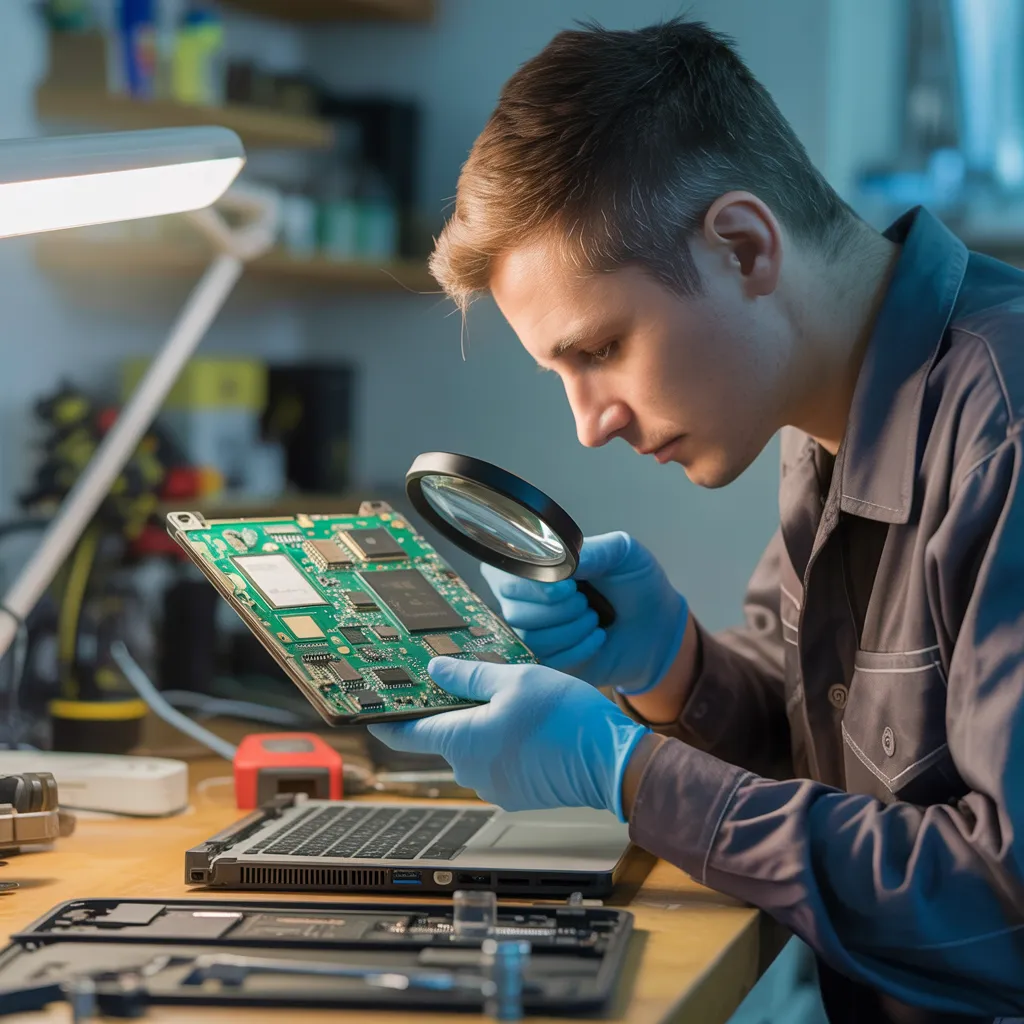
Why Electronic Waste Is Harmful to the Planet
Although technology enhances modern life, e-waste creates significant environmental threats. Disposed electronic equipment, often containing toxic substances including mercury, lead, and cadmium, may release harmful substances into the surrounding soil and water supply, presenting dangers to human health and ecosystems. The rapid pace of technological advancement leads to greater consumer replacement of electronic devices, intensifying the growing problem of electronic waste.
Landfills, already overwhelmed with refuse, find it difficult to handle the increasing amounts of discarded devices. Burning, an alternative disposal approach, discharges toxic contaminants into the air, worsening overall air quality. In addition, improper recycling practices can lead to the exportation of e-waste to developing countries, where laborers may dismantle devices without adequate safety measures, exposing themselves to dangerous substances. This cycle of neglect and improper handling underscores the urgent need for sustainable recycling solutions that can mitigate the adverse effects of e-waste on the planet.
What Is E-Waste and Why Is It Important?
E-waste, also referred to as electronic waste, encompasses obsolete electronic products including smartphones, computers, and televisions that have exceeded their operational lifespan. This growing category of waste is significant because of its swift buildup, driven by technological advancements and consumer trends. With an increasing number of devices reaching obsolescence, the toll on the environment grows more severe, with harmful substances like lead, mercury, and cadmium threatening both ecosystems and public health.
The significance of tackling e-waste extends beyond minimizing these risks to recognizing the valuable resources it holds. Valuable metals and rare earth materials can be extracted and repurposed, lessening the demand for mining and preserving natural resources. By understanding e-waste and its implications, individuals and organizations can make informed decisions about disposal and recycling, ultimately contributing to a more sustainable future. Proper management of e-waste is essential for fostering a circular economy and promoting environmental stewardship.
How the E-Waste Recycling Process Works
Recycling e-waste involves a systematic process aimed at reclaiming useful resources while limiting ecological damage. To begin, electronic waste is gathered and delivered to dedicated processing centers. Once there, the equipment is meticulously organized to separate hazardous components from recyclable materials.
Following this, specialists break down the products, separating plastics, metals, and glass. This step is critical, as it allows for the extraction of high-value metals like copper, gold, and silver, which can be reused in new electronics.
Next, the divided materials are handled with state-of-the-art techniques, such as shredding and chemical treatments, to prepare them for repurposing.
Finally, the leftover dangerous materials are managed properly, following environmental regulations. This comprehensive process not only conserves resources but also mitigates the risks connected to unsafe e-waste handling, guaranteeing a greener future for electronic device usage.
Why E-Waste Recycling Matters for You and Your Community
Although it often goes unnoticed, the positive effects of e-waste recycling extend beyond personal convenience to positively impact entire communities. By carefully processing electronic waste, individuals play a role in creating a safer environment, minimizing harmful substances that can contaminate soil and water. This proactive approach works to protect local ecosystems and advances public health.
Moreover, e-waste recycling promotes employment opportunities within local communities. Community recycling operations commonly require workers for numerous tasks, from collection to processing, thus generating valuable job opportunities for local residents. This not only boosts the local economy but also inspires community dedication to sustainable efforts.
Additionally, familiarity with e-waste recycling has the potential to generate educational initiatives, equipping residents to pursue greener alternatives. By engaging with e-waste recycling programs, individuals foster a culture of sustainability, prompting others to embrace similar practices. In summary, the collective impact of these actions can lead to a more robust and eco-friendly community.
Tips for Choosing an E-Waste Recycling Service
Selecting the best electronic waste recycling provider is crucial for making sure that electronic refuse is managed in a responsible and sustainable manner. First, people should check the provider's accreditations, such as e-Stewards or R2, which signify conformance to industry standards for secure waste disposal procedures. It's also important to evaluate the provider's reputation by reading customer reviews and seeking referrals from reliable sources.
Moreover, clarity in the recycling process is essential. A reliable provider should supply straightforward details about how e-waste is processed and what happens to the materials. Moreover, assessing the variety of services available can be advantageous; some companies may provide pickup services or offer incentives for recycling.
Furthermore, being aware of local guidelines related to e-waste disposal may further shape the selection process. When these considerations are given priority, residents can actively participate in responsible e-waste disposal while supporting green and responsible behaviors.
How You Can Take Part in E-Waste Recycling?
Engaging in e-waste recycling can start at the local level, where community recycling hubs regularly supply essential services for responsible disposal. Furthermore, participating in community awareness campaigns can amplify efforts to inform others regarding the importance of responsible e-waste management. Such efforts not only advance environmental sustainability but also foster a collective sense of responsibility toward the environment.
Nearby Recycling Facilities
Several local recycling centers play an essential role in electronic waste recycling, providing communities with accessible options to dispose of electronic waste responsibly. These stations receive a variety of electronic items, including used computers, handheld devices, and televisions, guaranteeing that dangerous substances are processed safely. Many hubs feature trained staff who support individuals in understanding proper disposal practices, emphasizing the importance of recycling over landfilling. Furthermore, numerous facilities provide drop-off events or designated collection days, making participation convenient for residents. Through the use of these community services, individuals contribute to a circular economy, reducing environmental impact and promoting sustainable practices. Engaging with these centers allows communities to Find out more address e-waste pollution proactively.
Public Awareness Initiatives
Local organizations, schools, and businesses can collaborate to host events that promote e-waste collection drives. Community members can serve a critical function in raising awareness, sharing informational resources, and connecting with local residents. Through these collective efforts, residents become more informed and motivated to recycle their electronic waste, ultimately contributing to a more sustainable future.
Questions We Often Receive
Which Types of Electronics Are Recyclable?
Numerous electronics can be recycled, including smartphones, computers, laptops, televisions, printers, and gaming consoles. Furthermore, peripherals such as keyboards, mice, and batteries are equally appropriate for recycling, promoting eco-friendly conservation initiatives.
Is There a Cost Associated With E-Waste Recycling?
Yes, electronic waste recycling may involve charges, depending on the service provider. Some facilities apply costs for gathering or treatment, while others offer free services, often subsidized by the sale of reclaimed components.
How Do Businesses Gain From E-Waste Recycling?
Companies can take advantage of e-waste recycling by lowering disposal expenses, strengthening their ecological standing, meeting compliance standards, recovering valuable materials, and creating potential earnings via resale, thereby fostering a more environmentally responsible business approach.
What Occurs with Data on Recycled Devices?
Information on repurposed equipment is often completely removed or eliminated during the refurbishment process. This ensures sensitive information is kept safe, blocking unwanted intrusion while permitting components to be repurposed securely and sustainably across new manufacturing processes.
Is It Possible to Recycle Damaged Electronics?
Indeed, damaged electronics may be recycled. Many recycling centers receive defective devices, ensuring proper disposal and retrieval of valuable materials. Doing so helps reduce harm to the environment while encouraging sustainable recycling habits to address e-waste efficiently.